Short rounds use different mechanisms
The Dukat instant route is distinct from the slot and live-table catalogues. Crash, Plinko and Mines describe families, not one shared ruleset. In a crash format, a multiplier rises until the round ends under its rules. Plinko distributes a falling object among payout positions. Mines presents a grid with hidden outcomes and a decision about whether to continue revealing. The exact implementation must be read in the chosen game's help.
A short round is not automatically a small risk. Many quick repetitions can produce a substantial total stake even when each input looks modest. Before comparing formats, distinguish round cost, potential payout and the number of rounds you intend to play. Speed is a user-experience characteristic, not evidence of a favourable return. Current reference: explore Dukat.bet.

First identify the format: a rising multiplier, a ball path or a hidden-tile board. These screens use different round rules and should not be read as interchangeable games.
Configuration matters more than a familiar name
Plinko variants can offer different row counts or risk settings. A payout table associated with one setting should not be used to describe another. In a Mines-style game, the number of hazards and already revealed safe positions affects the displayed proposition. A larger multiplier may correspond to a more restrictive successful outcome, not simply a better price for the same action.
For crash games, distinguish a cash-out instruction from confirmation that it was accepted. Connection delay can matter to what the visitor sees. Where automatic settings exist, read their exact behaviour before relying on them. This guide does not claim that every named control is present in every Dukat title; the point is to inspect the implementation rather than import assumptions from another game. Current reference: view the current offer.
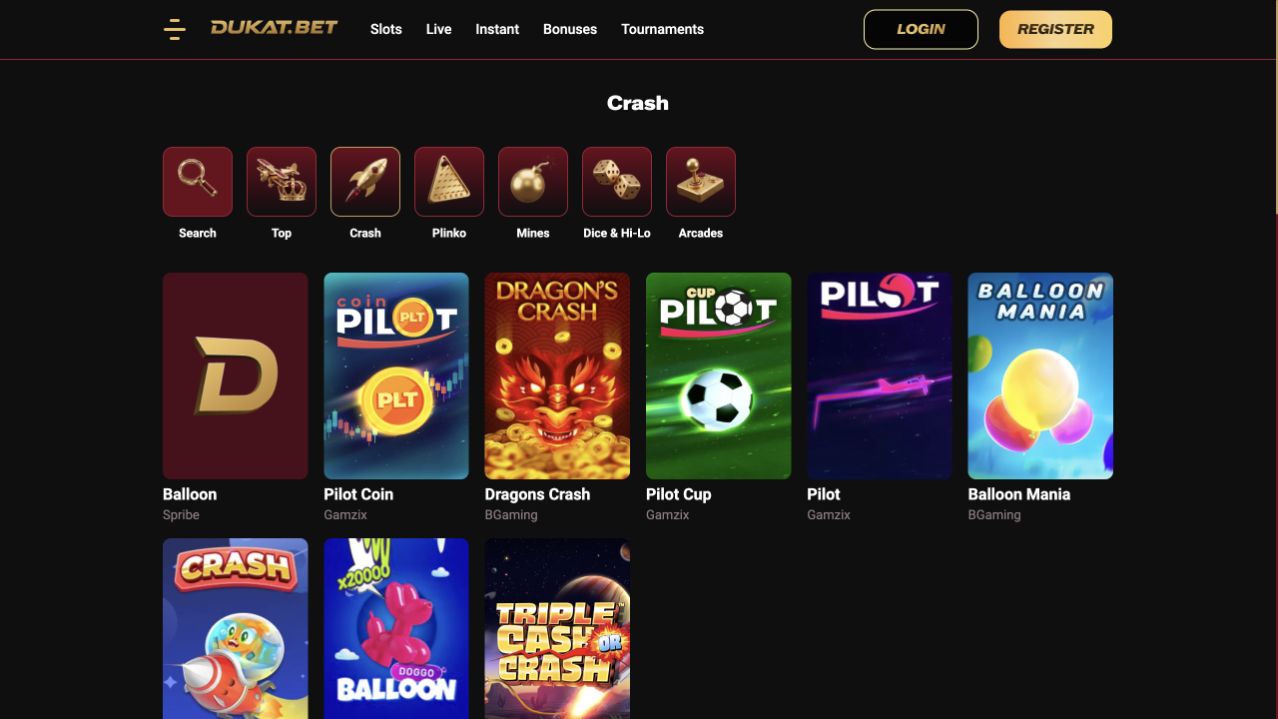
Find the round timer and the cash-out control before reading the multiplier. A lobby image is not an active round, and previous crashes do not predict the next one.
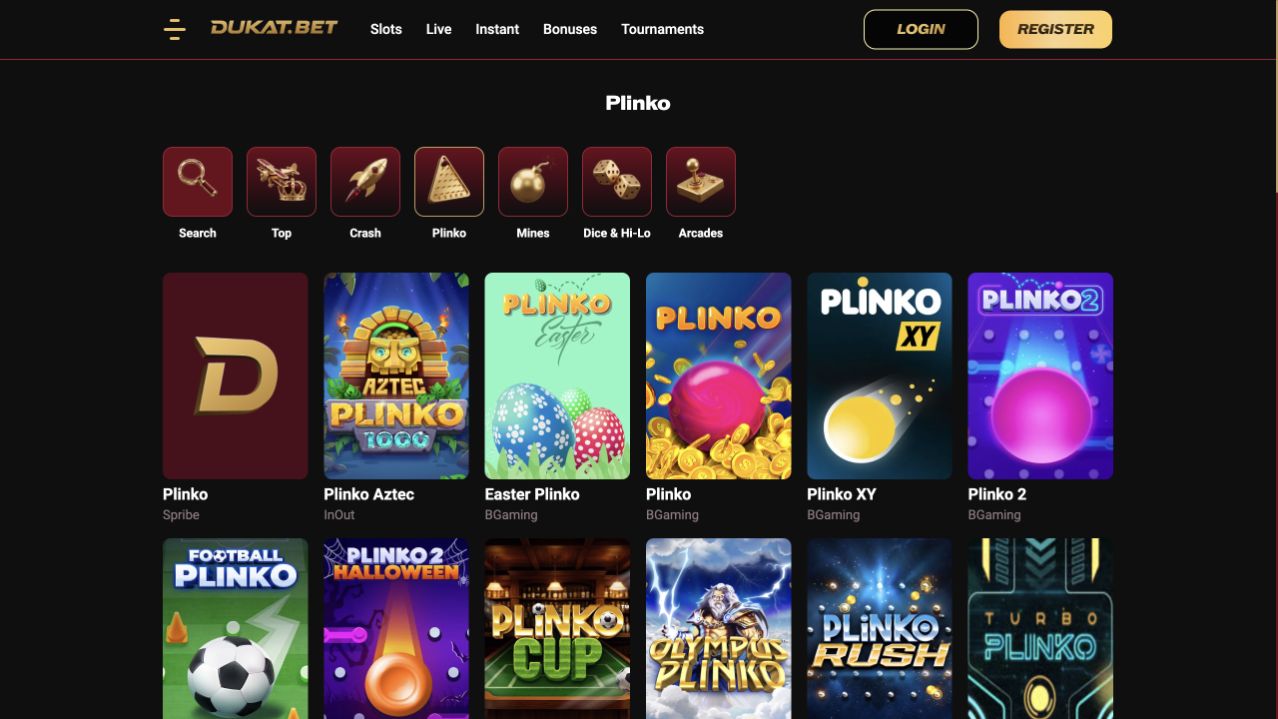
Compare row count, risk setting and total stake. Changing the risk setting can change the distribution of multipliers; the board appearance alone does not establish RTP.
Read fairness and history claims precisely
A game may provide information about randomisation or verification. Such a feature, where actually available, concerns checking the process described by the supplier. It does not make future results predictable or guarantee a profitable session. Do not infer a “provably fair” mechanism solely from the fact that a game uses cryptocurrency-themed artwork.
Historical outcomes are not a recovery plan after losses. Decide a spending and time boundary independently of the previous multiplier. Check promotion exclusions as well: several instant formats are treated differently from standard slots in general bonus rules. After an interrupted round, record the title, time and round reference for support instead of replaying to guess whether the earlier action counted. Current reference: check the operator’s rules.
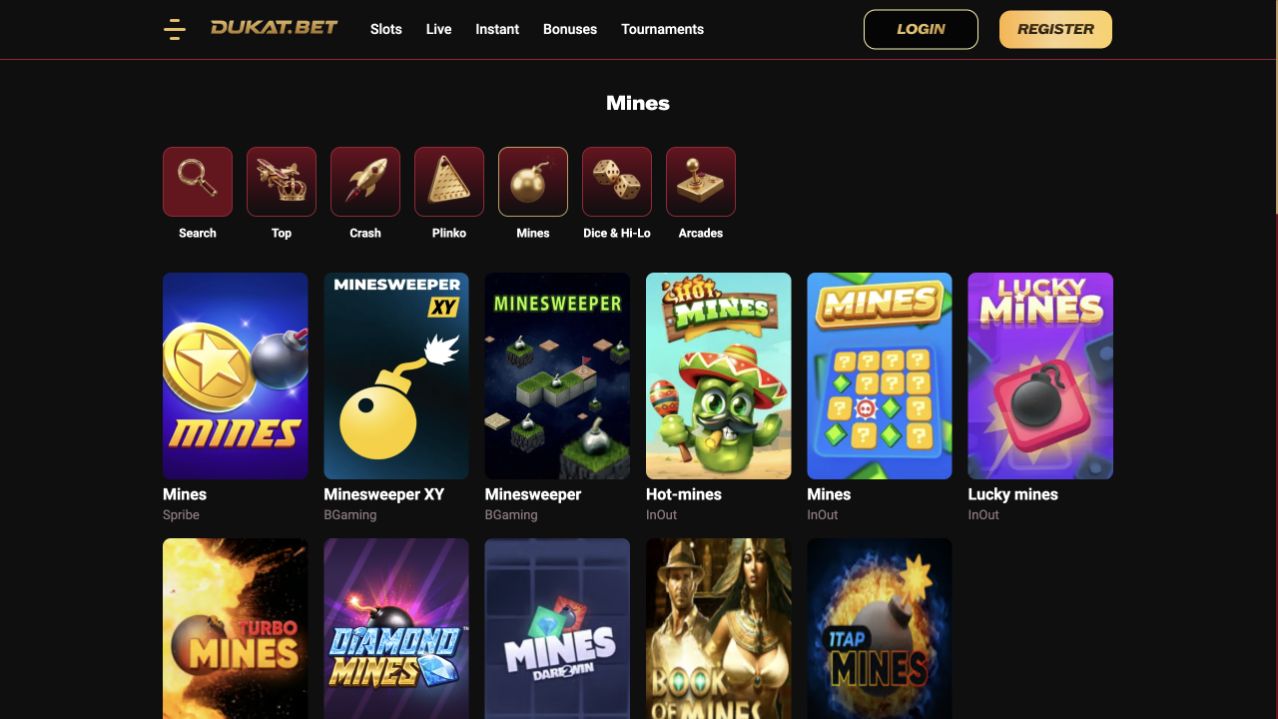
Locate the number of mines and the collect control. Every additional reveal exposes the current round to another losing outcome; a pattern in earlier boards is not a safe route.
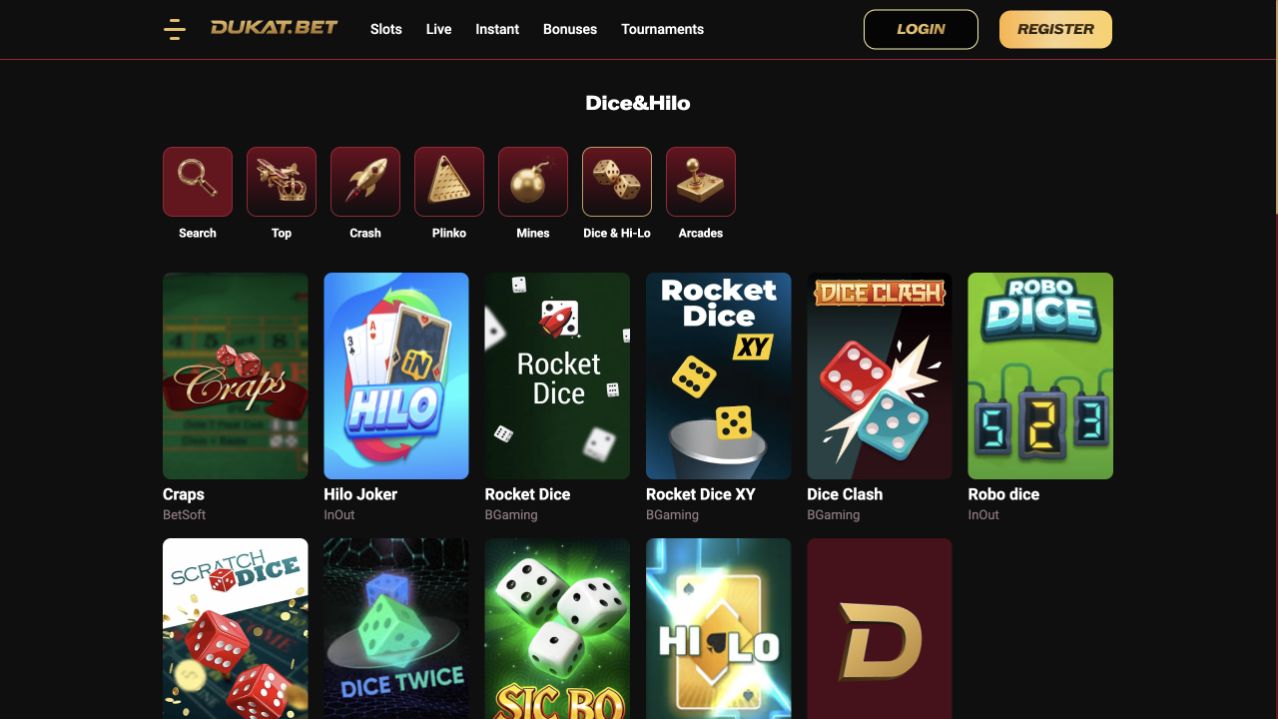
Read the selected range and the displayed payout together. A more frequent winning range normally trades against the multiplier; a small win is not proof of a profitable strategy.
Short rounds still need clearly defined costs
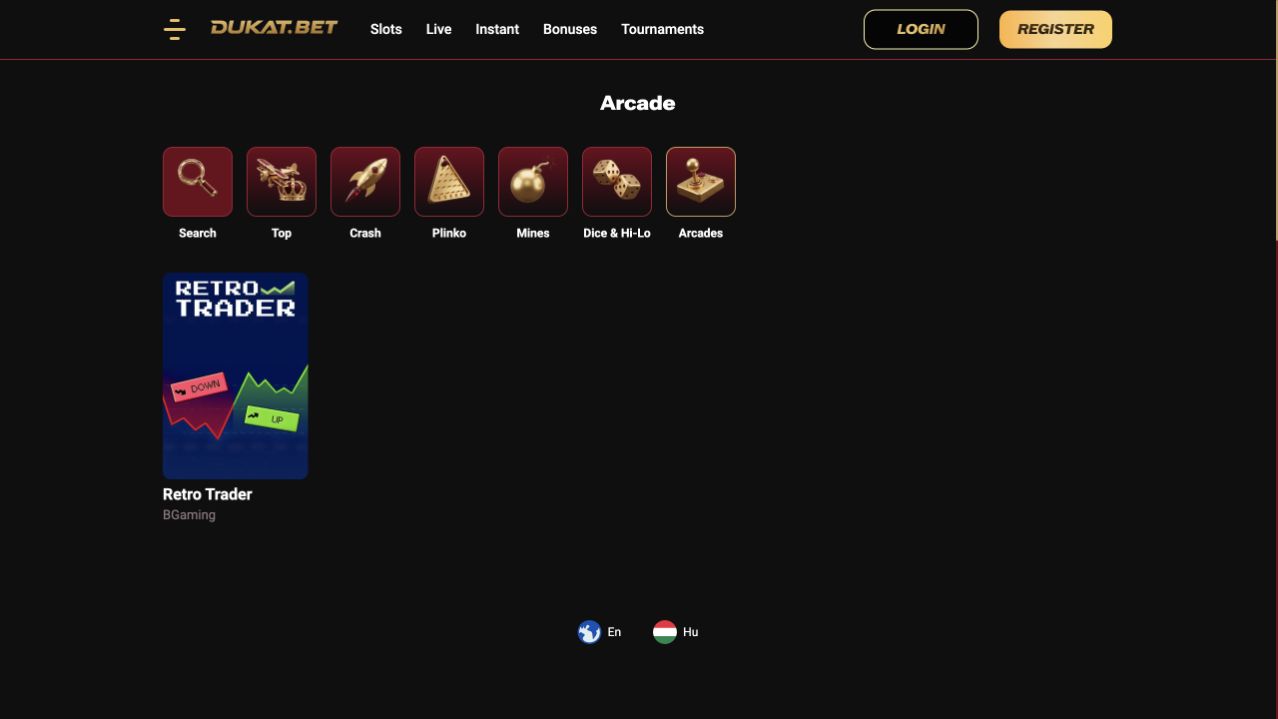
Crash, Plinko, Mines and Dice & Hi-Lo are browsing categories with different interaction patterns. A crash-style game can involve an exit decision; a minefield game can involve successive reveals; a Plinko game presents a different result path. Similar short round lengths do not make these products share one payout model or one explanation of risk.
A rapid interface can make repeated actions feel smaller than their combined cost. Read the amount charged for each new round and distinguish a new paid attempt from an animation inside the current attempt. If an automatic or repeated-action control is offered, understand its stop conditions before using it. A previous round's result is not a dependable signal for choosing the next stake or predicting the next round. Current reference: open the game lobby.
Progressive-path games can look similar while using different difficulty settings. Check what one paid action commits and when a round can be collected or ends.
Search the observed examples
A dated catalogue sample, not a complete or permanent inventory. Search by title or studio.
68 games